
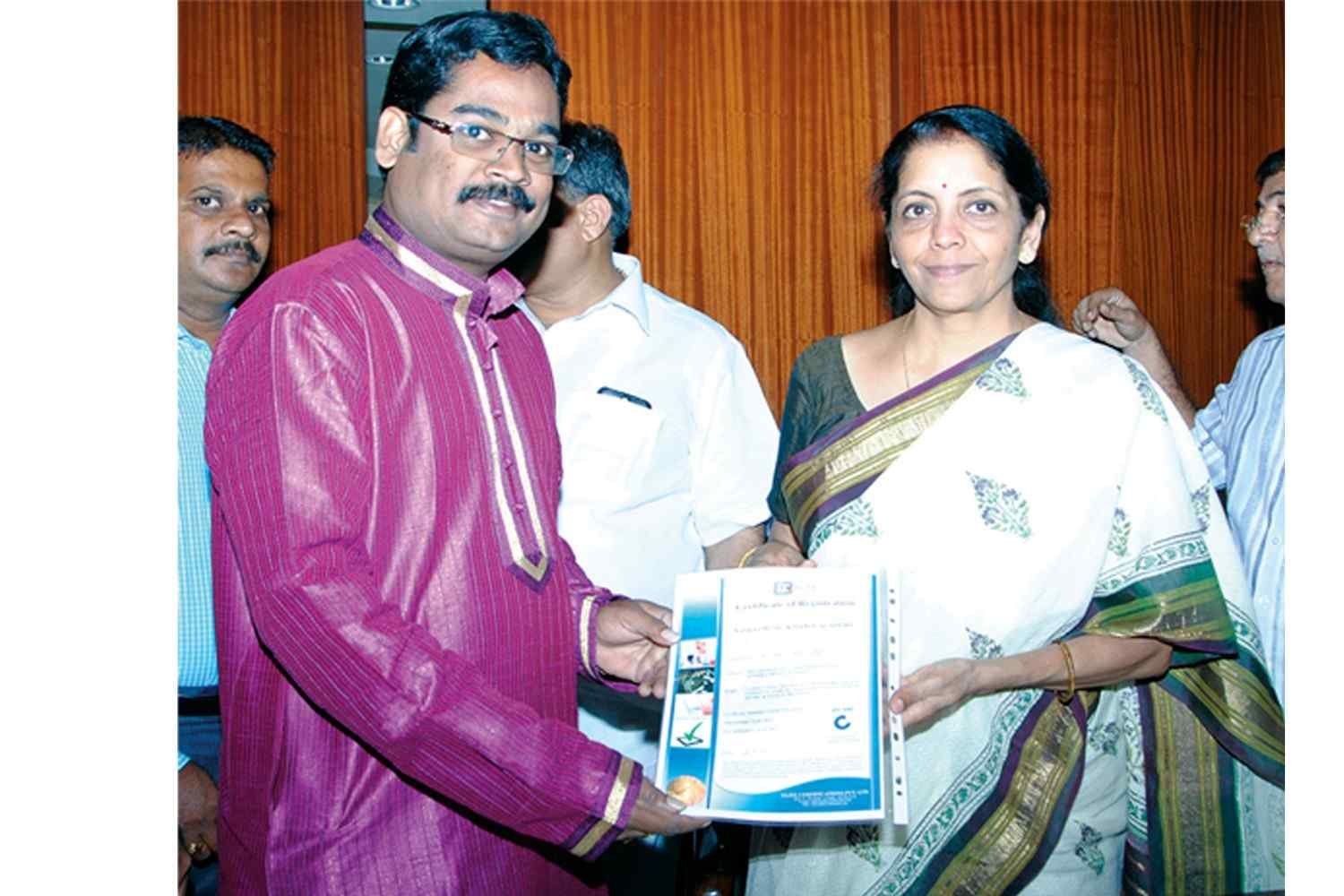


Traditional dance is often experienced primarily through performance, but its deeper value extends into history, education, research, cultural identity and intergenerational knowledge. Recognising the need for a platform that could bring these different dimensions together, cultural organiser and Kuchipudi exponent Vikram Kumar B R, popularly known as Bathina Vikram Goud, has been associated with the International Traditional Dance Congress (ITDC).
The congress represents a broader approach to traditional dance—one that goes beyond presenting performances on a stage. It creates an environment where artistes, scholars, teachers, young performers and cultural representatives can meet to discuss and understand the traditions they represent.
This distinction is important in the preservation of traditional arts. A dance form is not simply a collection of movements. Behind every performance are histories, literary sources, musical traditions, teaching methods, regional variations, costumes, rituals and artistic practices that have developed over generations.
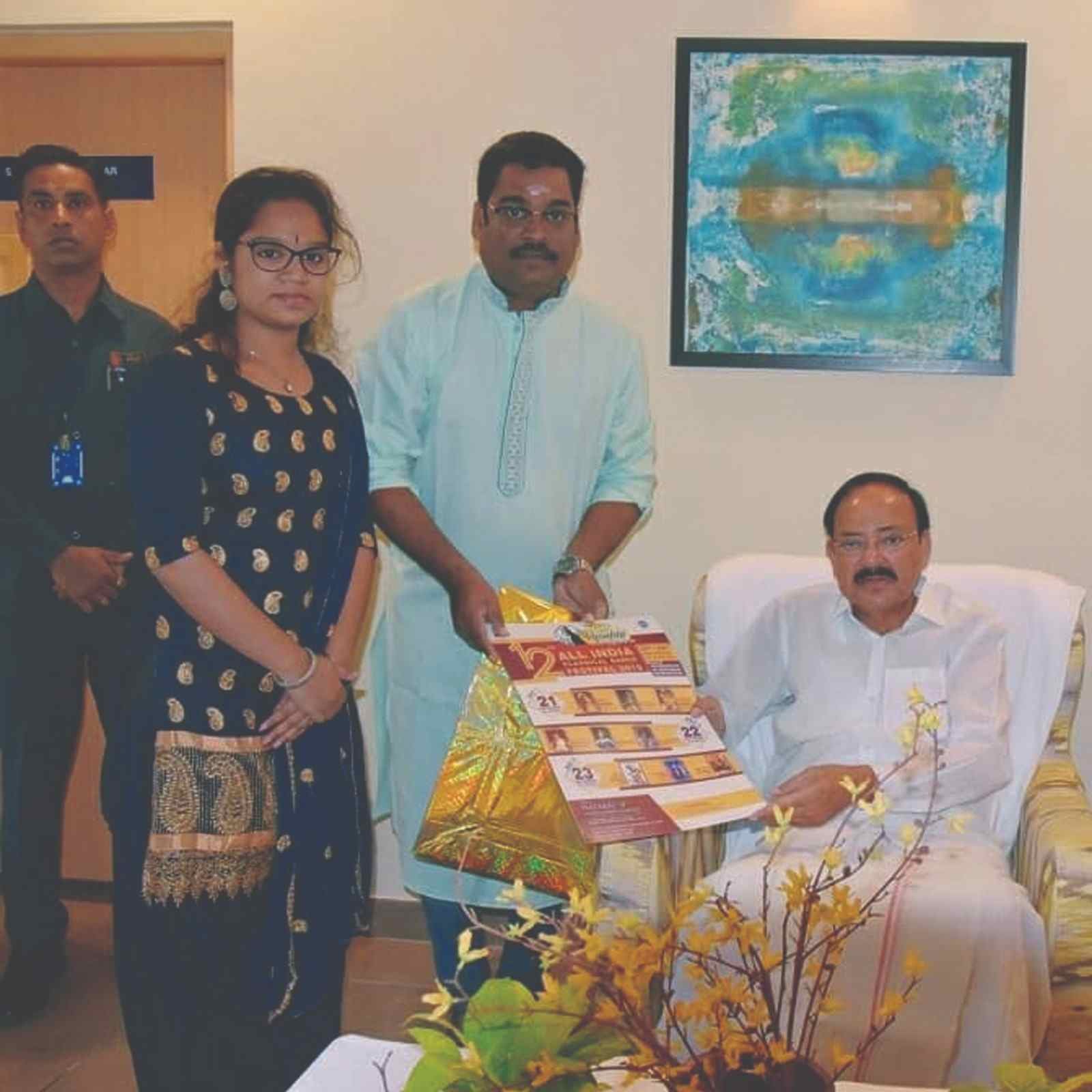
The ITDC provides a platform through which these dimensions can be explored through workshops, seminars, paper presentations, competitions, performances and collaborative artistic productions. Such activities encourage participants to examine traditional dance not merely as entertainment but as a living knowledge system.
For Vikram Kumar B R, this approach fits within a much larger cultural mission. His work has covered Kuchipudi performance, choreography, theatre, dance education, festival organisation, cultural journalism and documentation. Across these areas, he has emphasised the importance of ensuring that India’s artistic heritage remains active and accessible to future generations.
International interaction adds another important dimension to the congress. Traditional dance practices exist across many regions and cultures, each carrying its own history and identity. Bringing practitioners and scholars together can encourage cultural exchange while allowing participants to better understand both the similarities and differences between artistic traditions.
For young artistes, such an environment can be particularly valuable. Performance opportunities help dancers develop stage confidence, but exposure to scholars, teachers and experienced practitioners can deepen their understanding of the cultural background of their art.
The congress also creates opportunities for established practitioners to share knowledge. Senior artistes often carry information about repertoire, teaching traditions and performance practices that may not always be available in written sources. Direct interaction between generations can therefore contribute to the transmission of knowledge.
One of the significant ideas underlying such a platform is that tradition should not become static. A traditional art form can maintain its core identity while continuing to engage with contemporary audiences and new generations. Dialogue, research and education can help practitioners understand how to preserve authenticity while responding to changing cultural circumstances.
The ITDC’s emphasis on discussion is particularly relevant to this objective. Workshops and seminars can address subjects such as technique, history, pedagogy, repertoire, regional styles and the challenges faced by traditional performers. Paper presentations can add a research-oriented dimension, while performances demonstrate how theoretical knowledge continues to exist in practice.
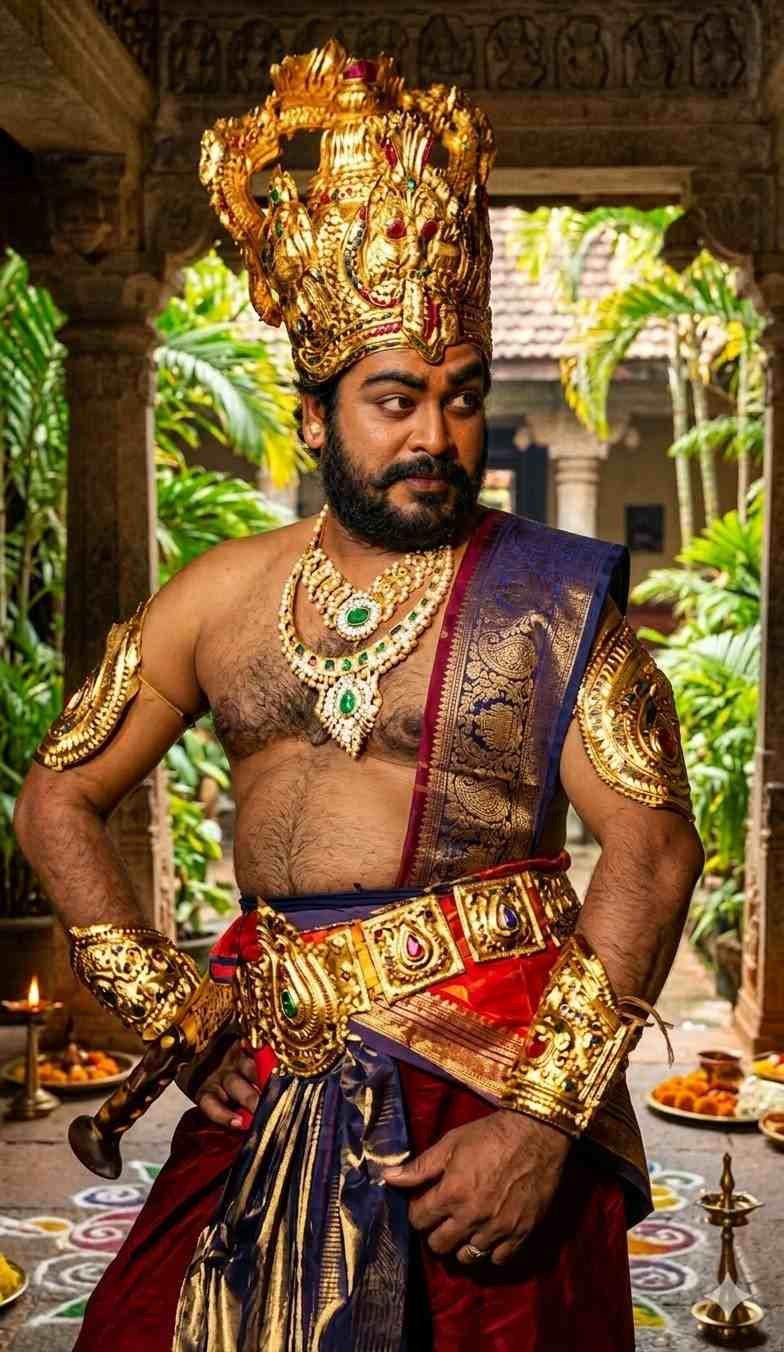
Collaborative productions such as Maha Brunda Nrityam further demonstrate the possibility of bringing multiple performers together in a shared artistic presentation. Such projects can create a sense of collective participation while highlighting the richness of traditional dance.
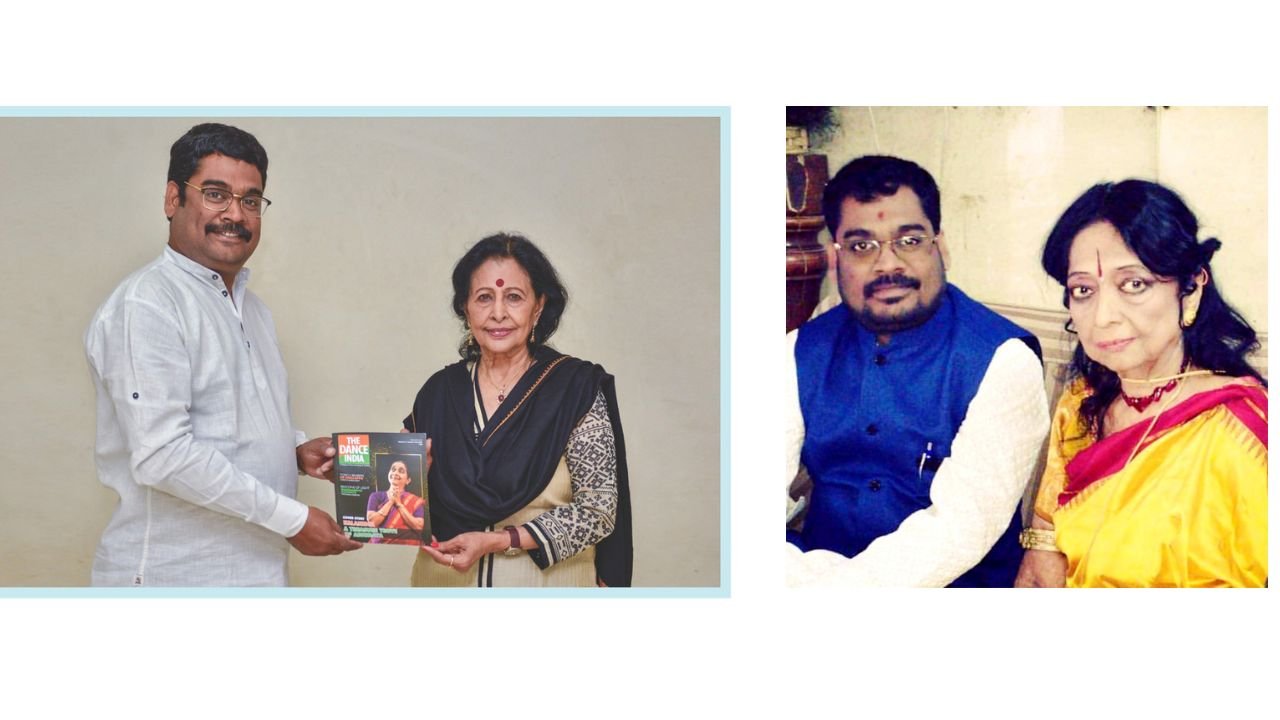
The congress also complements Vikram Kumar B R’s work in cultural documentation. His association with The Dance India and other documentation initiatives reflects his belief that traditions need to be recorded responsibly so that future generations can access authentic knowledge.
In the digital era, this responsibility has become even more significant. Performances and cultural material can reach global audiences almost instantly, but without proper context, traditional knowledge can also be misunderstood or separated from its origins. Platforms that encourage research and dialogue can help strengthen that context.
The International Traditional Dance Congress therefore represents a different kind of cultural gathering. Its purpose is not limited to presenting artists before an audience; it seeks to bring the wider traditional dance community into conversation.
For Vikram Kumar B R, this international and educational dimension strengthens the larger effort to preserve Indian classical and traditional arts. By connecting performance with research, education, documentation and cultural exchange, the ITDC contributes to the idea that heritage should be understood, practised and transmitted—not simply displayed.
As traditional dance continues to enter an increasingly interconnected global cultural environment, platforms such as the International Traditional Dance Congress can provide valuable spaces for dialogue. They allow traditions to meet one another, generations to learn from one another and practitioners to think collectively about the future of the arts they have inherited.